.png?w=auto&h=400)

.jpg)
.jpg)
Facts of Acropolis of Athens

Among the most controversial Acropolis of Athens facts is that several artefacts of the ancient site are at the British Museum. From 1800 to 1803, the Earl of Elgin took away many surviving sculptures from the Acropolis. The Greek government is trying to get these Elgin Marbles back.

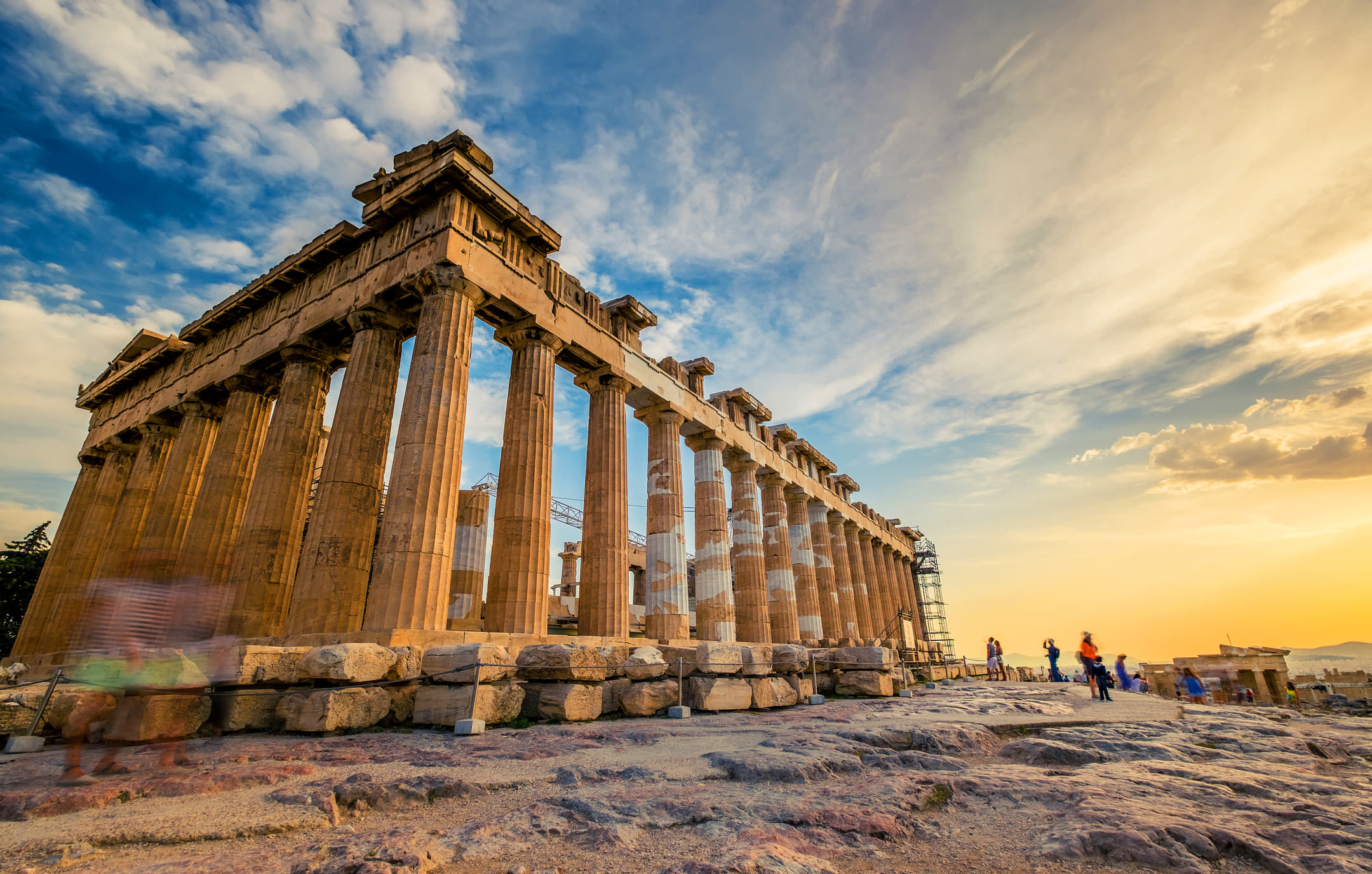
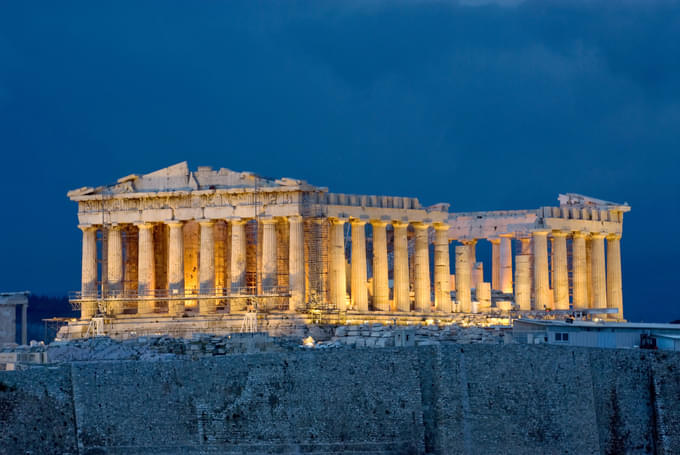
Initially constructed as a temple to Athena, one of the well-known Acropolis of Athens facts is that the Parthenon had a tumultuous history. The temple was turned into a church for the Virgin Mary in the sixth century. Later, the Ottomans transformed it into a mosque in the fifteenth century.

When exploring Acropolis of Athens facts, Parthenon finds a special mention as it was constructed when Athens was at its highest glory. The structure was constructed over nine years, while the decoration of the premises took six years. It was a temple to Athena and became a stunning symbol of Greek art.

Among the fascinating Acropolis of Athens facts is that the Erechtheion was constructed over a period of fifteen years. The temple dedicated to Poseidon and Athena was commissioned in 421 BCE and completed in 406 BCE. The structure was built using black limestone from Eleusis and marble from Mount Pentelikon.

If you are curious about mysterious facts about Acropolis of Athens, one is the fact that the construction of Propylaea never saw completion. The structure was commissioned in 437 BCE but the process was stopped in 432 BCE due to the start of the Peloponnesian War. Later, the project was never undertaken for completion.

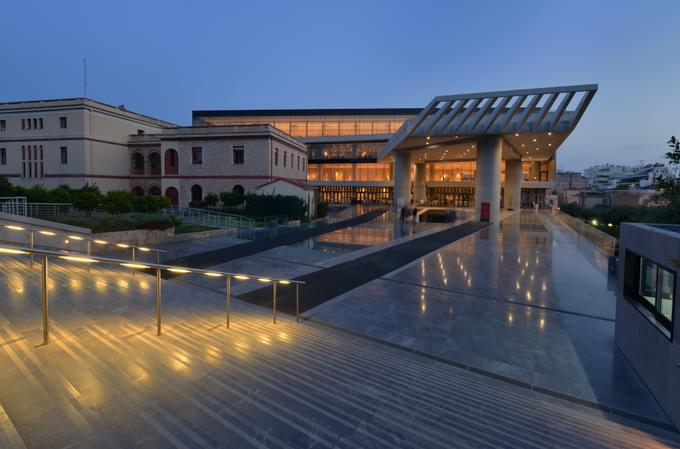
Constructed in 420 BCE, the Temple of Athena Nike was the first structure on the Acropolis with a completely Ionic architecture. However, the temple was demolished to remove its friezes, which depicted mythological scenes and had numerous sculptures. The ruins can now be seen at the Acropolis Museum.

Facts about Acropolis of Athens mention how the site has suffered extensive damage in the recent centuries. The first major instance was during the 17th century Morean War, when the Parthenon was hit by a cannonball. Later, the Ottomans demolished the temple to use the stones as protective defence.

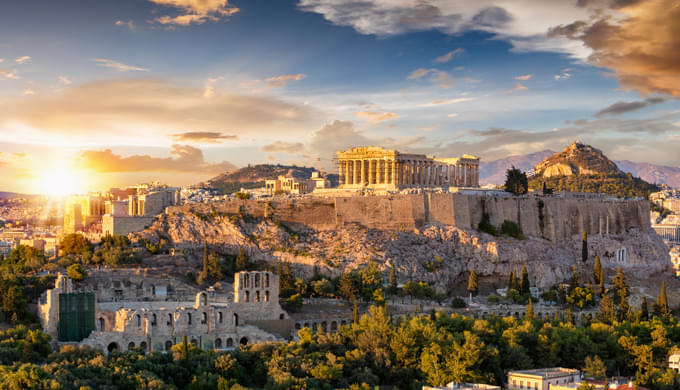
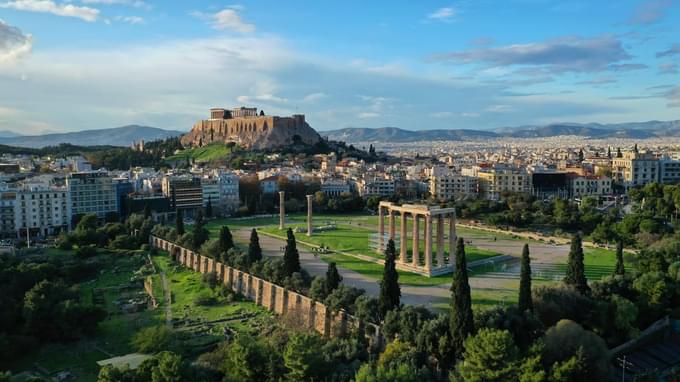
One of the obvious Acropolis of Athens facts is that the UNESCO World Heritage Site has several historical landmarks on its premises. The Parthenon is the most popular, while other famous structures are the Temple of Athena Nike, Propylaea, and Erechtheion. You can also see the Odeon of Herodes Atticus and Theatre of Dionysus here.

The word ‘Acropolis’ is derived from two Greek words, ‘akron’ meaning ‘highest point or extremity’ and ‘polis’ meaning ‘city’. So, Acropolis literally translates to ‘City on the Extremity’, ‘High City’, or ‘City on the Air’. Although many other places in Greece have an acropolis, the word generally refers to the Acropolis of Athens.
Acropolis Tickets Options!
FAQ's
What was Athens famous for?
Athens was famous as one of the most powerful states in ancient Greece along with Sparta. The city-state was also known for its democratic traditions, classical art, and major philosophical schools. It was also among the oldest inhabited places on the peninsula and had a lot of influence over Greek military and politics.
What are top 5 interesting facts about Athens?
· Athens is the oldest surviving European capital with a 3000-year history.
· The city is said to be the birthplace of Western civilisation and democracy.
· Athens was named after Athena, the Greek Goddess of wisdom and warfare.
· The city has the maximum number of theatres in the world.
· Marathons originated in Athens.
What made Athens so unique?
Athens was unique due to its military prowess and advanced civilisation. It was among the most militarily powerful Greek city-states and led several wars against Persians and Peloponnesians. The city-state also was a hub of classical Greek art and architecture, birthed major philosophical schools found nowhere else, and was the cradle of democracy.
When was Parthenon completed?
The construction of the Parthenon was completed in 438 BCE, but the decoration took six more years. The completed structure, a temple dedicated to Athena, was opened to Athenians in 432 BCE.
Why was Propylaea left unfinished?
The Propylaea was left incomplete after a few years of construction due to the outbreak of the Peloponnesian War in 432 BCE. The structure on the Athenian Acropolis was commissioned in 437 BCE but was never completed in later years or centuries.